A single wipe-down with bleach might clear a patch for a fortnight, maybe a month if the weather stays kind. Then it comes back, usually in the exact same spot on the exact same wall, because whatever fed it in the first place never actually got sorted. That gap between “looks clean today” and “actually fixed” is basically what separates a proper removal service from a weekend job with a spray bottle and good intentions.
We hear some version of this question constantly from property owners trying to work out what they’re actually paying for. Comprehensive mould removal services Sunshine Coast cover a lot more ground than most people expect walking in, and knowing what should be included helps separate a genuine fix from something that only looks like one from across the room. Here’s what the full process actually involves, start to finish.
Starting With a Proper Assessment, Not a Guess
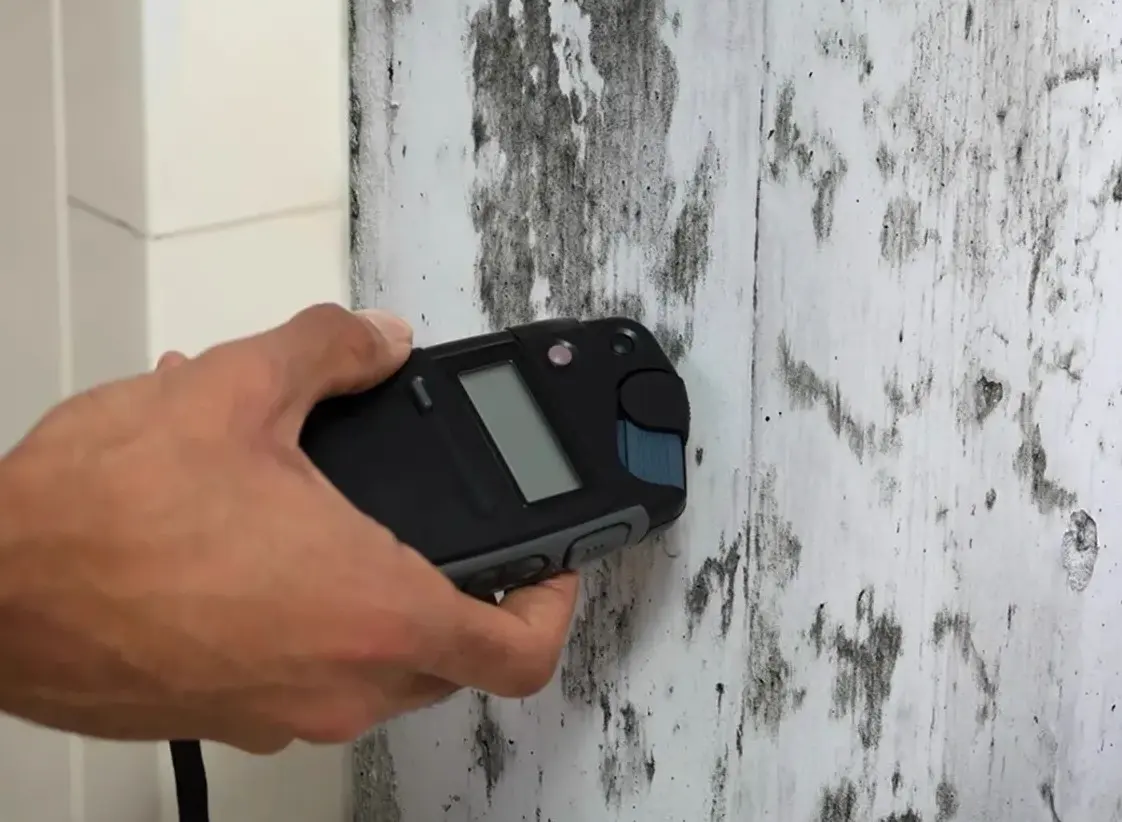
Before any physical work begins, a thorough service starts by working out exactly what’s growing, how far it’s spread, and what’s feeding it in the first place. Skipping this step is where a lot of DIY attempts, and honestly some rushed trade jobs too, go wrong right from the start.
A genuine assessment typically covers:
- A visual inspection of affected areas, including spaces that aren’t immediately obvious to check.
- Moisture readings taken across walls, subfloors, and framing.
- Identification of the actual moisture source, not just the visible growth sitting on top of it.
- Sampling where the extent or species genuinely needs confirming.
Skip this stage and removal becomes a bit of a shot in the dark. You’re treating what you can see and hoping nothing’s quietly spreading somewhere you didn’t think to look.
Containment Comes Before Anything Gets Physically Removed
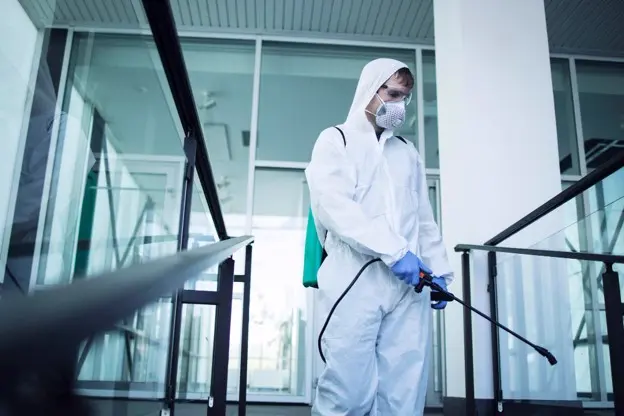
Once the scope is actually understood, containment matters more than most homeowners expect it to. Disturbing mould without containing the area first can send spores drifting straight into rooms that were previously fine, turning one contained problem into a spread-out mess within a few hours.
Professional mould removal services Sunshine Coast typically set up physical barriers around the work zone, using plastic sheeting and negative air pressure where contamination runs more extensive. This isn’t optional theatre added on to look thorough. It’s genuinely the difference between removing a problem and accidentally relocating half of it down the hallway and into the next room.
Removal of Physical Contamination
It is the part everyone imagines when “mold removal” comes up, but it’s really very important to the entire process even if it doesn’t always tell the whole story by itself.
Depending on severity, this stage can involve:
- Removing and disposing of severely affected materials, things like plasterboard or carpet underlay that have soaked up too much to save.
- Cleaning and treating surfaces that can reasonably be salvaged rather than replaced outright.
- HEPA vacuuming to capture spores that ordinary cleaning would just stir up and resettle somewhere else in the room.
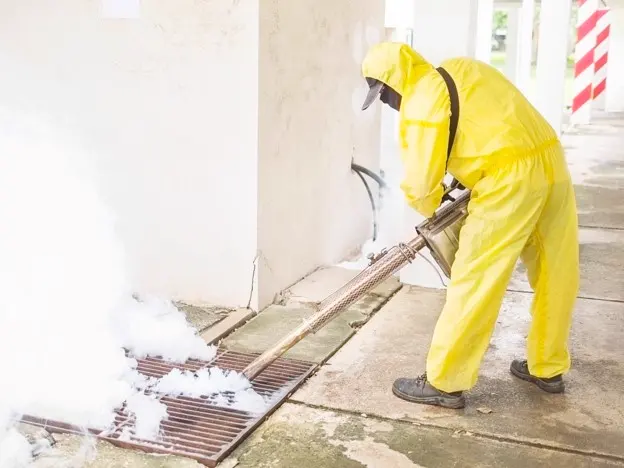
- Antimicrobial treatment applied once the physical material’s been dealt with.
Not every job needs a full material replacement. A lot comes down to how far contamination has actually penetrated, and whether porous materials like plasterboard have absorbed moisture deeply enough that surface cleaning simply won’t cut it anymore.
Addressing the Actual Moisture Source
Here’s the part that genuinely separates a comprehensive service from a partial one, and arguably the most important step in the whole process. Removing visible mould without fixing whatever’s feeding it just buys a few months before the exact same problem shows back up.
This might involve:
- Repairing leaking pipes and damage caused to a section of the roof.
- Enhancing air circulation in bathrooms, laundries, or subfloor areas that were never adequately ventilated before.
- Addressing drainage issues sitting around the property’s exterior.
- Correcting insulation gaps that quietly contribute to condensation building up over time.
Skip this step, and you’re essentially paying to clean the same spot twice. Once now, and once again in a few months, once conditions line up the same way they always do.
Odour Removal from Mould, as Odour Does Not Normally Go Away
In spite of the removal of the mould, its odour can remain for many weeks since there is no specific process of removal. The reason is that the substances which cause odour penetrate deeper into porous surfaces than the growth of mould.
A thorough service usually treats odour as its own distinct step, rather than assuming a clean-looking surface automatically means a clean-smelling room. This often involves targeted deodorising treatments aimed at whatever’s most likely holding onto the smell: carpet, insulation, timber framing, that sort of thing.
Post-Remediation Verification
A genuinely complete service doesn’t just declare the job done and pack the van. It confirms the outcome with follow-up testing, checking that spore levels have actually dropped back to normal before anyone signs off on anything.
This step usually includes:
- Air quality retesting, compared directly against the original readings.
- A visual re-inspection of areas that were previously affected.
- Documentation confirming the space now meets acceptable air quality levels.
Without this stage, there’s really no reliable way to confirm the work actually did what it was meant to, beyond a visual impression, which is exactly the kind of guessing a proper service is supposed to remove from the whole process in the first place.
Prevention Recommendations for What Comes Next
A service focused purely on removal, with zero attention paid to prevention, is honestly only solving half the problem. Mould prevention treatment solutions Queensland typically get built into a comprehensive service as a closing stage, giving property owners something practical to work with rather than leaving them to figure it out alone once the crew’s packed up and gone.
This usually covers:
- Ventilation improvements suited to the specific property, not a generic list.
- Humidity management tips relevant to the local climate rather than somewhere drier.
- Maintenance schedules for HVAC systems and exhaust fans.
- Early warning signs worth watching for, so any recurrence gets caught early rather than months later.
Queensland’s humidity, particularly closer to the coast, means prevention advice needs to genuinely reflect local conditions rather than a template written with a drier climate in mind somewhere else entirely.
Documentation You Should Actually Walk Away With
Once the work’s finished, a comprehensive service should leave you with more than a clean-looking room and a verbal “you’re all good” on the way out the door. Proper documentation typically includes:
- Before and after photographs of every affected area.
- Moisture and air quality readings from both before and after treatment.
- A summary of materials removed, treated, or replaced during the job.
- Recommendations for ongoing prevention specific to that particular property.
This paperwork matters well beyond the day it gets handed over. It becomes genuinely useful for insurance purposes, future property sales, or simply as a reference point if anything similar crops up again down the track.
Why Cutting Corners Doesn’t Save Anyone Money
It is all too easy to believe that when it comes to a faster and more cost-effective service, the work is still the same, but it is simply done quicker. In reality, cutting out assessment, containment, or moisture source repair always ends up costing twice as much. Once now at the lower price, and again later once the same problem resurfaces with the source still sitting there untouched.
A genuinely complete service costs more upfront simply because it’s actually solving the underlying issue, rather than treating what’s visible on the surface and quietly hoping the rest sorts itself out on its own.
What is typically expected from a rushed job in retrospect
Let us be quite frank here. There is nothing that distinguishes a rushed job from a proper job on the day: nice walls, no sign of any mold, job done nicely, as far as anyone can see. It is only much later that it becomes clear, as the smell comes back or the same spot appears again, that the owner has to call someone else to come and do a job that was done before.
Conclusion
Mould remediation service worth the cost is more than just cleaning a surface and thinking your job for the day is done. It involves proper assessment, containment of the worksite, removal of contaminated materials, correction of the source of moisture, and verification of the results before anything else is said. With Mouldmedi, all of this will be done through our services for the owners of any property in the area, thus giving you a real result that will actually last and not come back after a while.
Frequently Asked Questions
How much time will it take for a full mould removal service?
Depends entirely on the extent of the problem, but in general, it will take one to three days for a residential property. This includes testing, removal, and verification testing after the physical job is completed.
Will mold reappear after the complete mold removal process?
It should not, because the source problem has to be taken care of in this process. In case it appears in the future, then the problem has to be with the source problem only and not with the process itself.
Is post-remediation testing really required, or is it just another extra expense?
It is really required. Testing is crucial, as it helps you to verify the job was done right since visual inspection alone won’t give you enough information about possible hidden contamination.
Will a full service provide any advice on prevention, or just mold removal services?
The proper full service will provide both services. Mold removal only will result in the same problem again, especially when taking into account the humid conditions in Queensland.