
Services
Remove it, find the cause, keep it gone.
Every mould problem is different. A patch in the shower, a smell with nothing to see, or a whole house after a flood. This is what we do about each.
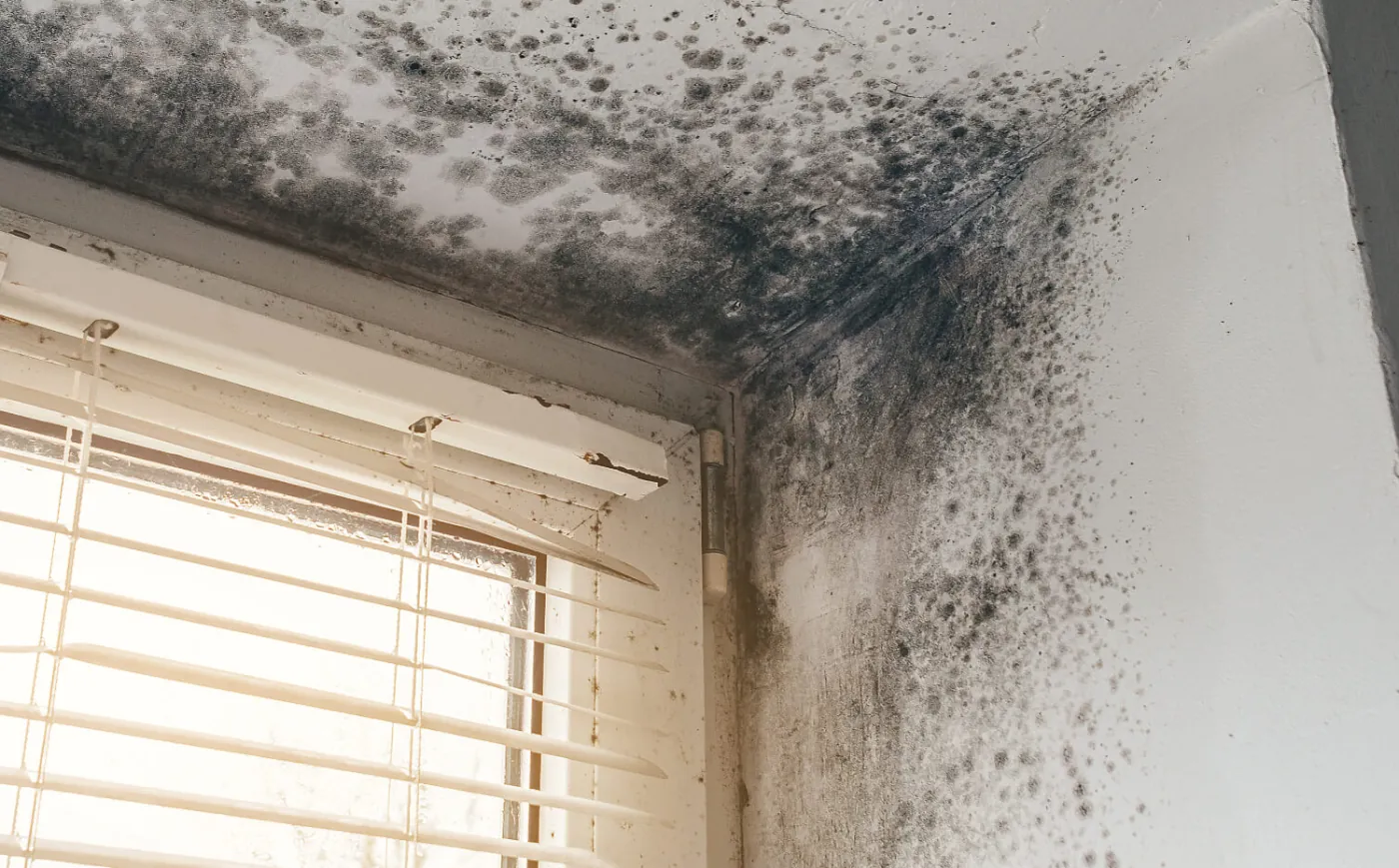
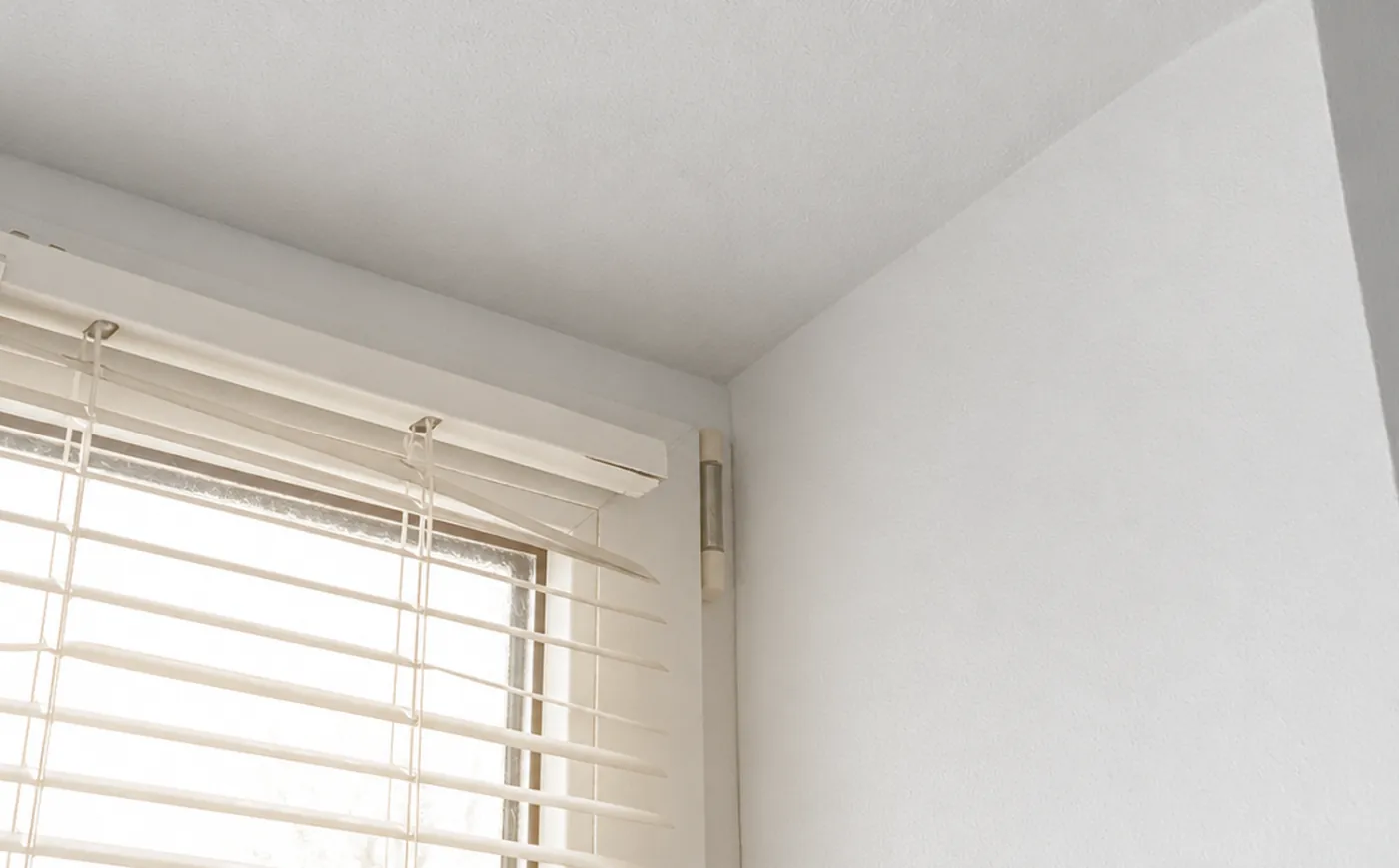 BeforeAfter
Example image
BeforeAfter
Example image
Mould remediation
Identify it, remove it, stop it coming back.
The goal is not to wipe the visible mould. It is to deal with the moisture that let it grow.
Why it matters
- Spores can aggravate breathing problems, especially in sensitive people.
- Mould damages plasterboard, insulation and timber.
- It spreads into walls, floors and air-conditioning systems.
- Waiting makes the damage, and the bill, bigger.

ULV treatment and misting
A mist fine enough to reach where a cloth can't.
Ultra Low Volume misting fills the room with an antimicrobial mist that stays in the air long enough to meet the spores, then settles over every surface.
- Clears the air. Neutralises airborne spores so they do not spread during treatment.
- Reaches hidden mould. Wall cavities, ceiling voids, behind furniture and inside air-conditioning.
- Protects surfaces. As it settles it leaves an antimicrobial layer that helps inhibit regrowth.
- Kills the smell. Breaks down musty odours instead of covering them.
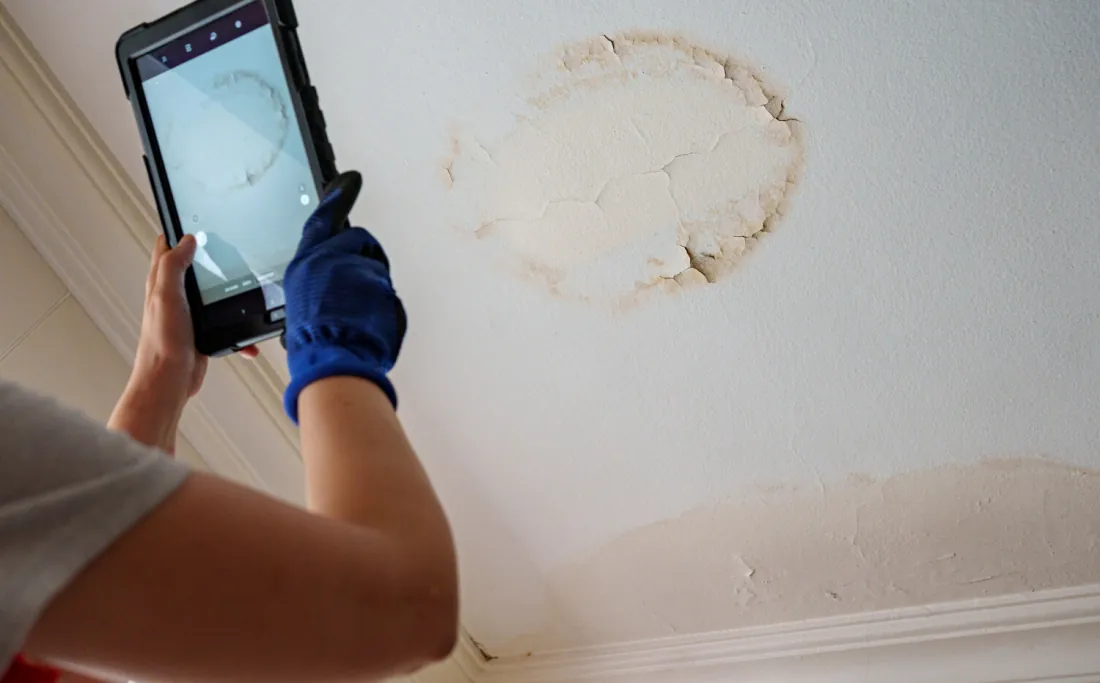
Mould testing
Tested independently. On purpose.
We follow the ANSI/IICRC S520 standard, which says the people who test should not be the people who get paid to fix it. So all our testing is done by our independent partner, The Mould Assessors.
How testing works
- Visual inspection. Moisture levels, visible signs and likely causes.
- Air and surface sampling. From affected areas and a clean control area.
- Laboratory analysis. Accredited labs identify species and spore counts.
- A clear report. Findings, risks and what should happen next.
- Clearance testing. A retest after treatment to confirm it worked, if you want one.
When to get tested
After a flood, leak or water damage. If you notice a musty smell or damp. If someone has unexplained allergies or breathing problems. Before buying or selling. After remediation.
Prevention
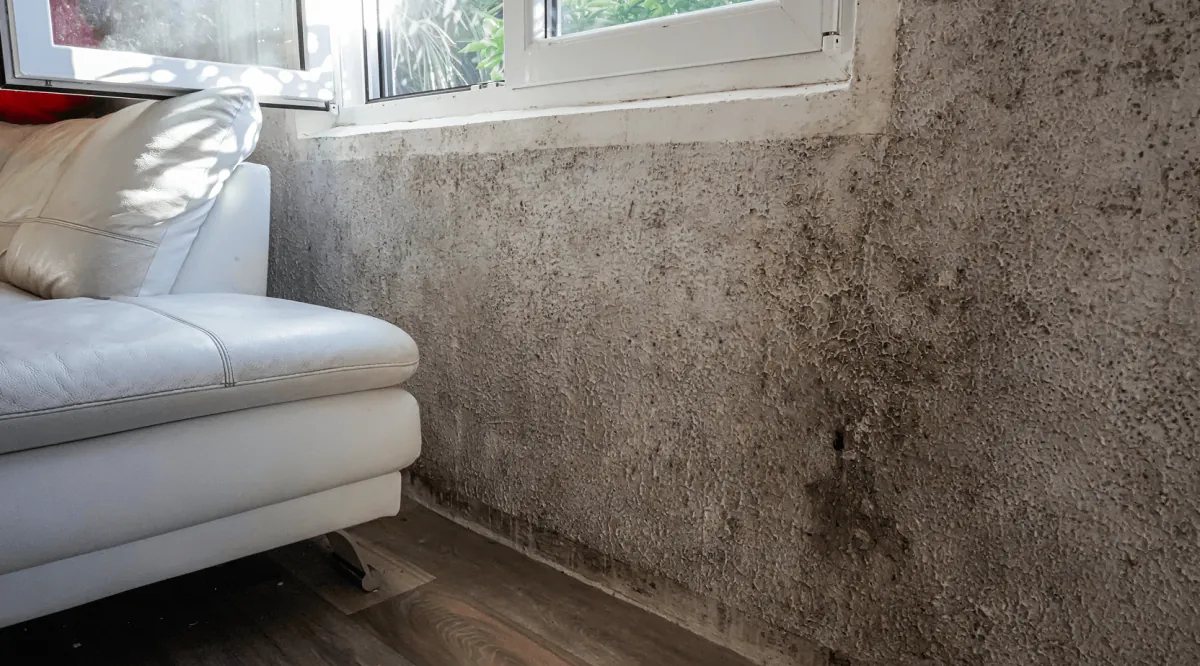
Dust feeds it. Moisture wakes it up.
Household dust is dead skin, fibres, pollen and pet dander. Spores settle on it, hide in it and ride around the house on it. Prevention is mostly about moisture and dust.
- HEPA vacuuming traps fine spores instead of blowing them back out.
- Damp dusting with microfibre, never dry dusting.
- A HEPA air purifier keeps pulling spores out of the air.
- Clean air-con filters regularly so the unit is not spreading it.
- Ventilate bathrooms and laundries, and keep humidity down.
After every treatment we walk you through the causes we found, and what to change so it does not come back.
Who we help
From a caravan to a hospital.

 BeforeAfter
Example image
BeforeAfter
Example image
- Homes and rentals. Homeowners, renters, landlords and property managers.
- Commercial. Offices, schools, universities, gyms, childcare and commercial buildings.
- Health and care. Hospitals and aged care facilities.
- Caravans and boats. Cars, caravans, motorhomes, boats, transport vehicles and ships.
- Holiday accommodation. Rooms that sit closed between guests.
- Storage. Museums, cold rooms, storage areas and indoor agricultural facilities.
Questions about mould?
Bleach, vinegar, black mould, smells with nothing to see. Read the mould FAQs or browse our prevention tips.
Not sure which service you need?
Answer a few quick questions and Stephen will tell you straight.