
Musty odour around a skirting board. A greyish stain behind a wardrobe was not present the previous season. A cough that disappears soon after walking out the door but recurs just one hour into returning. While each one of these individually doesn’t call much attention to itself, in combination, they can all be pointing to a silent problem that’s growing in places it’s not supposed to.
This is something we are approached about more than most people think, usually by property owners who believe that one swipe around the problem area with some bleach would take care of it once and for all. Certified mould inspection services Queensland operate on a set process and not on speculation drawn from looking at a particular wall in your kitchen lights on a Sunday. In this blog, the whole process will be explained in full, step by step.
Why a Visual Check Alone Rarely Tells the Full Story
The mould does not limit itself to the areas of the house that are visibly exposed. In addition to growing on exposed surfaces, mould can grow inside the walls, under the floor, inside the roof cavities, and even underneath bench tops, without any visible indication for months at a time. A person shining a torch around his home to look for mould is only using a fraction of the evidence that a proper inspection would take into consideration.
Four items should be considered significantly more important than appearances:
- Moisture readings taken with precision equipment, and not by touching a wall with one’s hand.
- Taking samples from surfaces displaying visible signs of mould.
- Air quality tests in cases where symptoms exist but no visible cause is present.
- Structural assessment of the ventilation system, drainage, and previous water damage to the house.
These all serve to provide an additional piece of evidence. Together, they create a much more convincing picture than a mere first impression would, and will make for much stronger evidence in case there is a dispute later with an insurance company or a landlord.
Walking Through the Inspection Itself
The First Walkthrough
No matter what, an inspection begins with a complete walkthrough of the entire property. From walls, ceilings, and flooring, as well as bathrooms, kitchens, laundries, and roof cavities. Any area that may potentially develop moisture problems gets identified from the very beginning alongside any sign of structural damage, such as a distorted window seal, a crack in the seal around the shower base, or even a slow drip nobody saw behind a cupboard for several weeks.
There is one particular type of risk associated with older houses in Queensland. Insulation that is aging, a timber subfloor that was never sealed, and drainage systems that were installed long before today’s building regulations came into effect. Again, this does not mean that there is something wrong with the house per se. This is just how properties built under the different expectations of humidity and rainfall look nowadays.
Newly built homes cannot be excluded from these risks, too. Poor sealing of windows, quick waterproofing of wet areas, and poor subfloor ventilation can easily lead to the same situation with a house that is just several years old. Age plays a minor role here. Mostly the construction quality and maintenance matter.
Reading Moisture Before Trusting Eyesight
Damp is needed for mould to start growing, so this aspect of moisture is quite useful during an inspection. Moisture meters are used by technicians to test how wet the wall, subfloor timber, and framework are without having to look for them directly through an unassisted inspection.
The indoor humidity levels also need to be considered, and it often has its own story. An individual damp area can indicate the presence of a leaking area somewhere, while continuously high humidity levels in several different areas indicate a completely different issue.
Taking Samples, Not Assumptions
In cases where there is visual evidence of growth, a sample is collected from that surface. This process helps determine the species in question, which is more important than people first realize. Some species have a much higher correlation with respiratory problems than others, and this information impacts how quickly remediation is required.
Testing the Air, Not Just the Surfaces
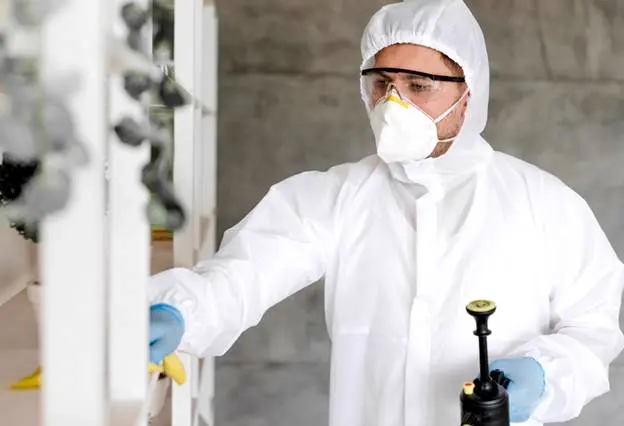
Plenty of contamination never becomes visible at all. Spores travel. They settle in carpet fibers, curtain fabric, and air conditioning ducts long before a patch ever appears on a wall or ceiling for anyone to notice.
This is exactly where professional mould testing services Sunshine Coast earn their place in the process. Specialized air sampling equipment measures spore concentration indoors and compares it against an outdoor baseline reading taken from the same property. For residents dealing with ongoing symptoms and no obvious visible cause, this single step often confirms what a purely visual inspection would have completely missed, sometimes after months of guessing.
Making Sense of a Spore Analysis Report
Once samples make their way to an accredited laboratory, the results get compiled into a formal document. These mould spore analysis reports Sunshine Coast area generally cover:
- The specific species identified during testing.
- Spore concentration levels measured indoors against outdoor readings.
- An assessment of the associated health risk.
- Clear, actionable remediation recommendations based on severity.
A report like this gives homeowners something far sturdier than a verbal opinion offered on the day. It becomes documented, defensible evidence, useful for insurance claims, rental disagreements, or pre-purchase negotiations where a property’s mould history genuinely needs to hold up under scrutiny rather than someone’s word against another’s.
Residential Inspections Versus Commercial Ones
The underlying process stays largely the same across property types. What shifts is scope and sometimes urgency.
Residential inspection usually focuses on:
- Bedrooms, bathrooms, and kitchens
- Roof cavities and subfloor spaces
- Air conditioning and ventilation systems throughout the home
Commercial inspections usually widen out to include:
- Larger air handling and ventilation systems
- Warehouse and storage areas
- Compliance obligations tied to workplace health and safety regulations
Businesses bear a greater responsibility in this regard, because their employees’ well-being is directly affected by the quality of the indoor air, and ignoring this can make them liable in ways that homeowners certainly do not have to deal with. A ventilation problem can be ignored by a homeowner, but for a business, it can have multiple victims.
Signs That Deserve Prompt Attention
Several indications would require an urgent mold testing appointment and would not go away by themselves if allowed to:
- The smell of mold that persists no matter how often one cleans the area.
- The presence of respiratory infections that become better when one leaves the building.
- Presence of discolored spots on walls, ceiling, or grout.
- Recent flooding or any other form of water damage.
- High moisture in the house, particularly in bathrooms and laundries.
Without proper handling, they will definitely find a way to leave their point of origin. The effects of the issue will spread even further in the house, causing it to be even costlier to fix.
After the Process is Complete
When an inspection has been completed, the final product will be a report. The report may include photos, moisture content levels, and even lab tests if testing was required. This information will serve as a valuable benchmark for any subsequent actions, be it repairs to prevent further water damage, the fixing of whatever damage occurred, or even as documentation for some larger argument involving a landlord or insurance company.
This is especially true in the case of older houses or property that has a history of previous water damage issues. The trail of evidence serves as a valuable record and can make all the difference in whether an issue is settled quickly or if it becomes a longer process.
Why Guessing Becomes More Expensive Than Helpful
Dealing with the signs of something without tackling the root cause behind them tends not to stick around very long. The wall is painted over; there’s no odor for a bit of time until the same conditions present themselves again, usually when it rains. This process continues because the actual cause behind the moisture was never found or addressed in the first place.
A proper inspection will stop this cycle, bringing in concrete information from moisture testing and analysis instead of assumptions from moisture readings and physical sampling. This gives homeowners real information about the seriousness of their problem rather than just an estimate made at seven PM under lights.
Conclusion:
No one likes to hear that their property has a mould problem. However, being certain through laboratory testing, rather than having doubts about mould presence for another six months, is better. That is why all of this was done in the first place.
At Mouldmedi, our company does all inspections in this way. There will be no guesses or quick decisions based on five minutes of checking. What is happening in the house should be known to its owner; this will help him/her to take the necessary action. The earlier it is done, the simpler the situation will be. Otherwise, the problem will just become larger.
Frequently Asked Questions
How long does an inspected mould test typically take?
For residential properties, the average time span is one to two hours, depending on the size of the property and which areas need testing. On larger commercial properties with more complex ventilation, testing may take much longer, often lasting for most of a workday.
Is it necessary to carry out tests if there is no mold at all?
It is, for example, if there are unknown symptoms of breathing problems or an odor of mold but there is no mold present. The spores will still be floating in the air, and the mold can be present on the walls or under the floor.
What really distinguishes mould testing from mould remediation?
Testing determines the presence of mold, the species, and its severity by means of inspection, sampling, and lab analysis. Whereas remediation is the next stage, during which actual contamination removal is done based on the results of the testing.
Will the insurance company accept my spore testing report?
Most likely. Spore testing reports are widely used when dealing with issues related to insurance claims, tenant/landlord disputes, or pre-purchase tests, as they have measurable information instead of just an opinion of the tester himself.